
Saul Bellow’s “Seize the Day”
The final unravelling of a man’s life over the course of a climactic day in a money-driven, success-obsessed America.


AI Summary:
Saul Bellow’s “Seize the Day” is a powerful novella that captures the unravelling of a man’s life within the context of a day marked by the relentless pursuit of success and material wealth in America. The story follows the protagonist as he confronts his deep-seated desires for human connection and faith, juxtaposed with the harsh realities of greed and betrayal. Ultimately, it explores themes of failure, existential crisis, and the complexity of human relationships, urging readers to reflect on the consequences of life’s choices.
Why do we add an AI summary to our posts? We value your time and want to provide you with more information before you read the entire text.
Article written by Carolina Lio for Looking Forward
You can spend the entire second half of your life recovering from the mistakes of the first half.
Saul Bellow’s Seize the Day is a concise masterpiece that follows the final unravelling of a man’s life over the course of a single, climactic day in which he brushes against both the depth of his longing for faith in humanity and the stark reality of greed and deceit.


The protagonist, Wilhelm Adler, is a failed actor in his forties: unemployed, broke, and separated from a wife who refuses to divorce him while continuing to demand money. He drifts through a chaotic, money-driven post-war New York, tethered only to two figures: an emotionally withholding father, Dr Adler, and a philosophising charlatan who drains his last dollar, Dr Tamkin.
Although Wilhelm often sees himself as a victim, it soon becomes clear that many of his troubles are, at least in part, self-inflicted. As a young man, he recognises almost immediately that the Hollywood talent scout who promises him stardom is suspicious, yet still allows himself to be carried along by the dream. Later, after securing a solid job as a salesman, he begins boasting about a promotion he has not yet earned, and when it goes to someone else, his embarrassment pushes him to abandon the position altogether. He cannot bring himself to set limits with his estranged wife, who continually drains his finances, nor can he resist the allure of Dr Tamkin’s stock-market fantasies, even though he knows that Tamkin is almost certainly a fraud. Time and again, Wilhelm senses what he should do, yet moves in the opposite direction, propelled by longing, anxiety, and a certain defenselessness before a success-obsessed world he experiences as unforgiving and cynical.
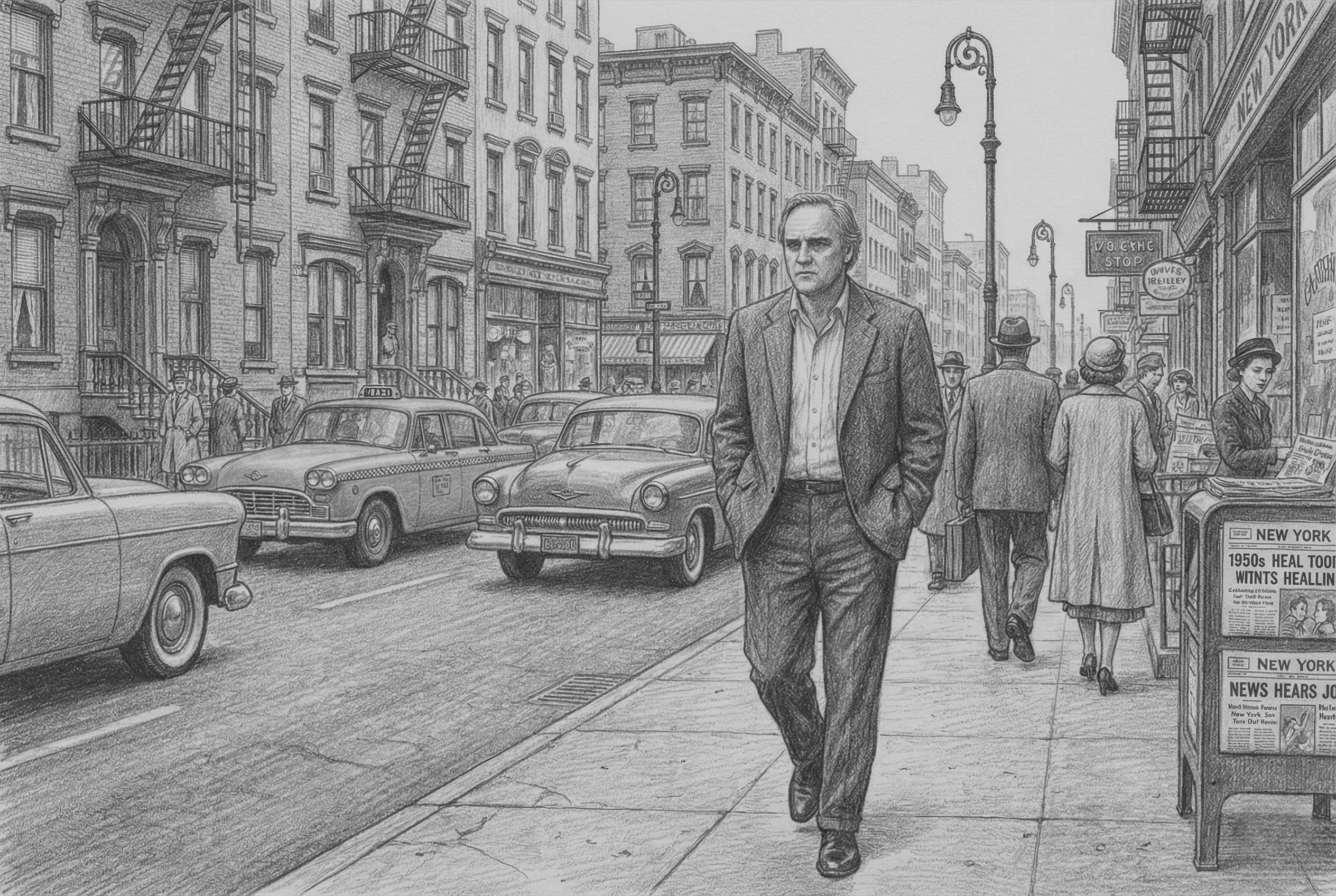
Cynicism was bread and meat to everyone. And irony, too. Maybe it couldn’t be helped. It was probably even necessary. Wilhelm, however, feared it intensely. Whenever at the end of the day be was unusually fatigued be attributed it to cynicism.
His fraught relationship with his father, Dr Adler, is a study in emotional neglect. Wealthy, successful and self-righteous, Adler views his son with thinly veiled disgust and refuses him any sympathy or material help, offering only harsh judgments and cold remarks. The tension between them arises from the father’s shame at Wilhelm’s failures and Wilhelm’s yearning for paternal kindness. However, Adler’s loyalty is solely to self-preservation, and with a complete lack of empathy, he refuses to let his son’s problems become his own.
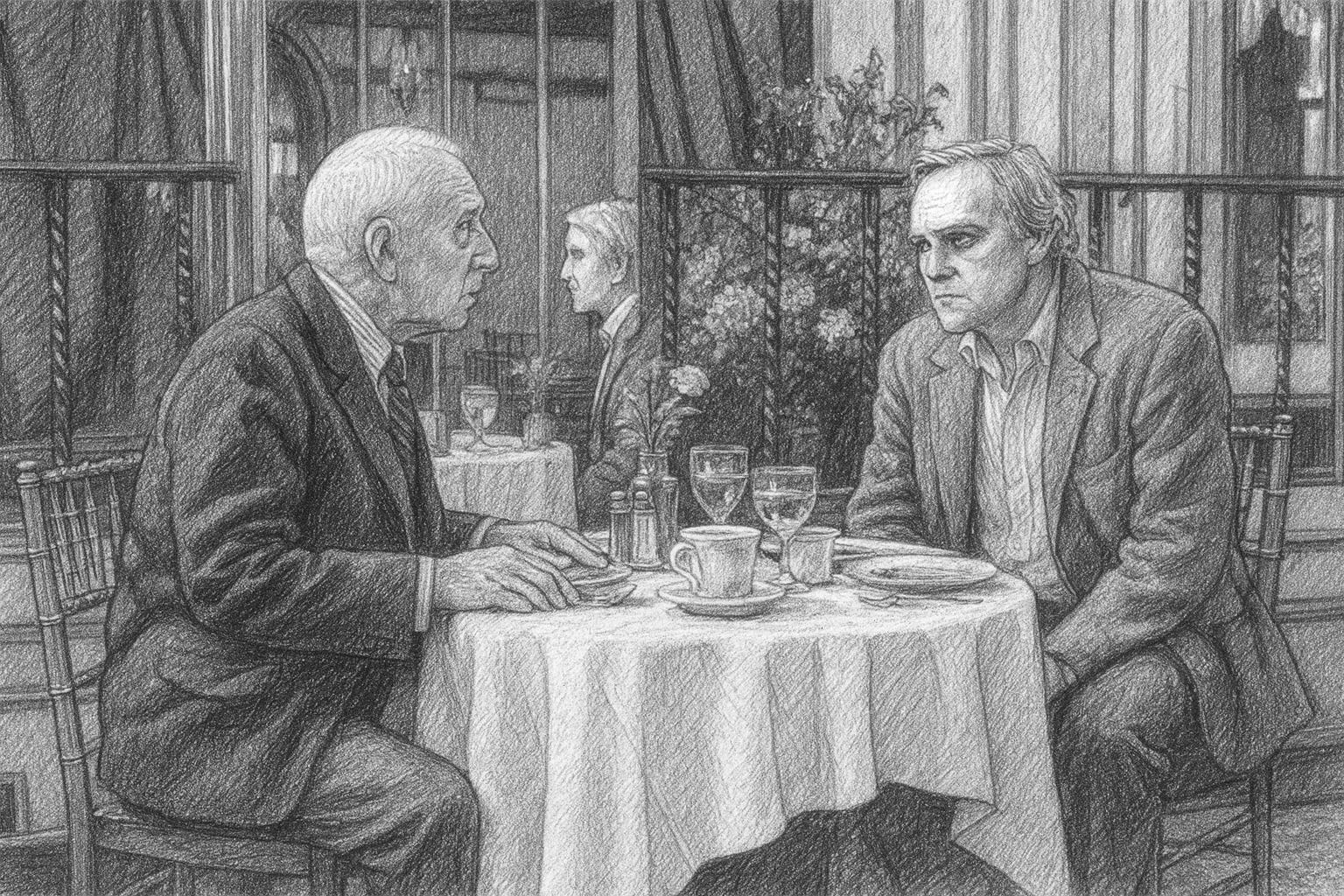
Into this emotional vacuum steps in another doctor and older man, Dr Tamkin. Tamkin is a pseudo-psychologist who offers Wilhelm all the attention his father will not, and whose blend of mysticism and manipulation captivates him by recognising and exploiting his existential pain. He urges him to seize the day, abandon fear, and invest his last savings, giving him full power of attorney over them. The move ultimately destroys Wilhelm financially.
One thing should be clear to you now. Money-making is aggression. That’s the whole thing. The functionalistic explanation is the only one. People come to the market to kill. They say, ‘I’m going to make a killing.’ It’s not accidental. Only they haven’t got the genuine courage to kill, and they erect a symbol of it. The money. They make a killing by fantasy.
Beneath his various failures lies a tender longing for a humanity separate from financial success: a desire for connection, meaning, and recognition in a city that offers only transactions. Bellow offers no consolation to this. Abandoned by his father, deceived by Tamkin, and dismissed once more by his ex-wife, Wilhelm stumbles into a stranger’s funeral and breaks down in uncontrollable, cathartic tears, emotionally collapsing among the much more restrained mourners. In this raw, unfiltered emotional truth, the book ends, making Seize the Day one of the most affecting inquiries into failure, longing, and the fragile search for human dignity.