
The Plant Commons: Reviving Indigenous Foodways in South Africa with Loubie Rusch
Francesca Fantoni joins wild food expert Loubie Rusch to talk about locally adaptive Cape plants and the work of reconnecting communities with South Africa’s biodiverse landscapes.


Loubie Rusch is a South African wild-food researcher and practitioner whose work focuses on reintegrating Indigenous and locally adapted edibles into food systems in the Western Cape. Since 2010, she has been learning about, growing and cooking with Indigenous plant foods from the Cape’s biodiverse landscapes, driven by the knowledge that these foods nourished local people through wild harvesting for millennia, yet have largely fallen out of use.
Since 2022, Rusch has been based at the Sustainability Institute in Lynedoch as the founding coordinator of the Local WILD Food Hub. There, her practice brings together cultivation, research, education and public engagement, from food gardens and cultivation trials to kitchens, school feeding programmes and community workshops. Rusch works with partners including the University of the Western Cape in hosting a multistakeholder community of practice, and Royal Botanic Gardens Kew, with whom she is collaborating in research on the nutritional value, climate resilience and cultivation potential of selected Indigenous species.
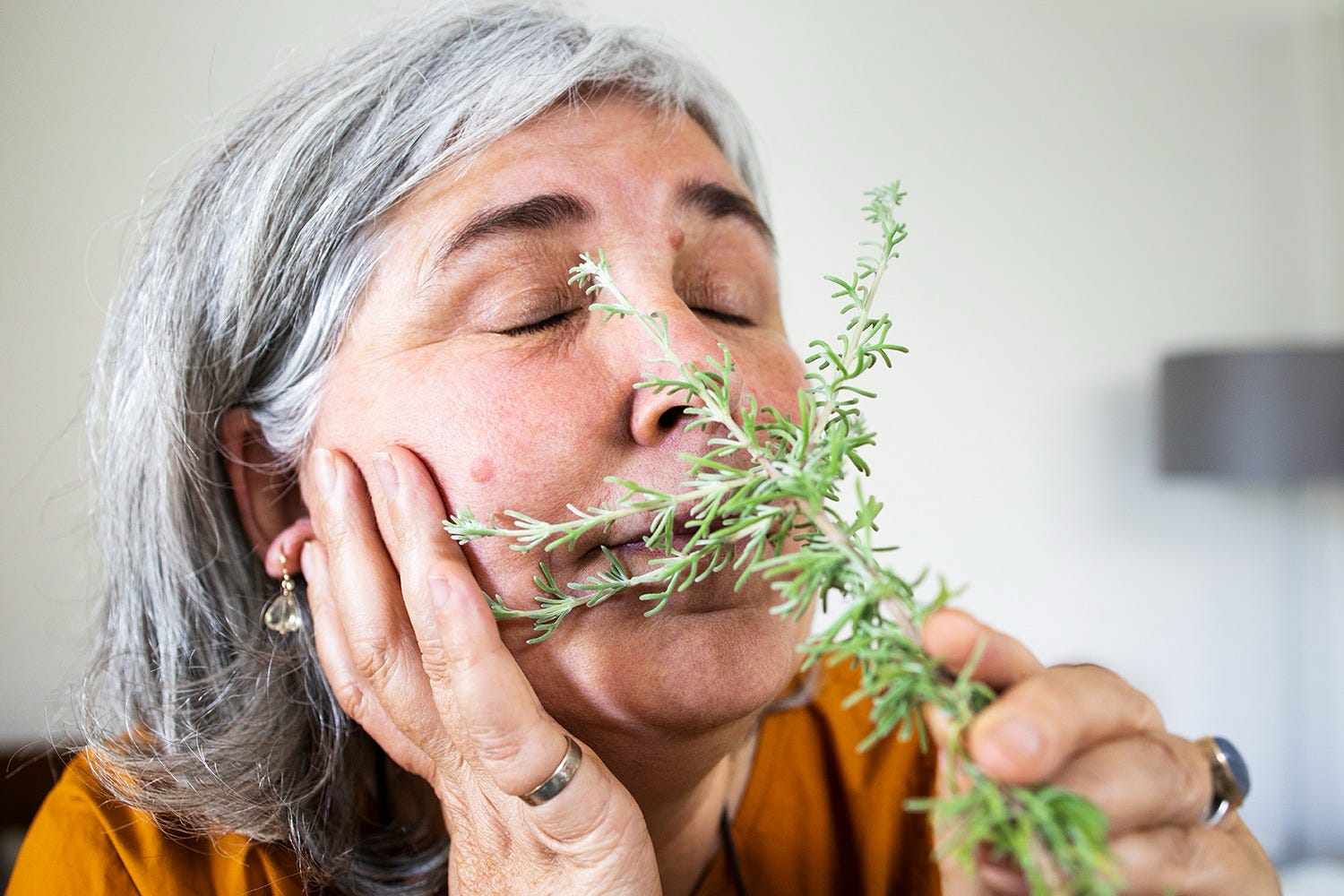
Francesca Fantoni: You have come to working with Indigenous food systems and local ecologies from a long career in landscape design, but it sounds like that trajectory involved a deeper questioning of worldview. Could you talk about that transition and how it led you to your work today?
Loubie Rusch: I’ve ended up where I am now through continuously questioning what I was doing. After training in architecture and working as a landscape designer, I built a practice and ran a topiary nursery and inevitably the clients I attracted were wealthy people. Around the same time, I became quite involved with the Slow Food movement and I started asking myself whether I was really putting my effort in the right place.
I grew up with an archaeologist as a stepfather, so the idea that landscapes are edible was not foreign to me. It just hadn’t yet been integrated into my working life. I’d already been working with local Indigenous ornamental plants, trying to persuade clients to move away from Eurocentric, Northern Hemisphere landscapes that were incredibly resource-intensive, toward what was locally inspired and adapted.
So the shift was about taking the experience I already had working with garden plants and bringing it into a new realm, working with Indigenous food plants. I instinctively knew that food has the capacity to bring people from different worlds together. Over time, through projects like Slow Food and participatory research in the Cedarberg, I began to understand the impact of what had been forgotten through the colonial years. I was on a journey that was straddling very different worlds — the wealthy and privileged, and the marginalised and erased — and increasingly finding I was connecting them, relating them. For me, that role of being a kind of bridging agent is really the most fundamentally important role I can play in my work.
Listening leads into storytelling and storytelling builds shared understanding and different ways of seeing the world. That’s the network I most love being part of.
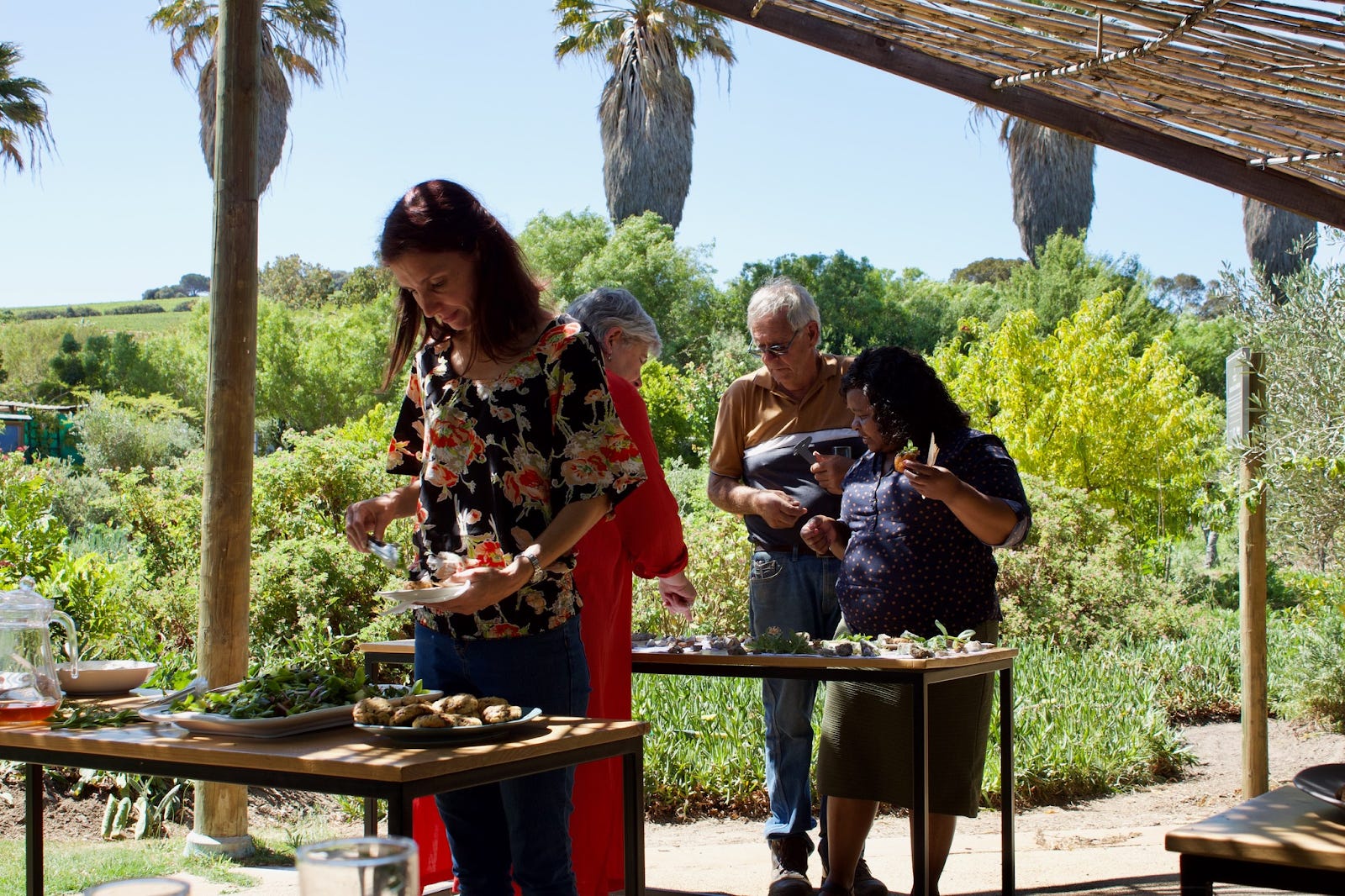
FF: I love that you’ve described yourself as a bridging agent. Could you tell us about the networks you work with and what bridging means in practice?
LR: A lot of it comes down to who I am as a person. I’m gregarious and inquisitive and then I also get very triggered by injustice. Those characteristics have made it kind of natural for me to connect and talk to people who often don’t get heard, including people on the ground, community members, farmers and household cooks.
I also speak Afrikaans, which is the most spoken language in the Western Cape. Being able to speak to someone in their own language, and to listen, has been incredibly important. And I think those are skills we’re not really taught. We’re encouraged to be right, to argue our case, to convince others. We’re not taught how to hold, to listen, to share, or to grapple together, what I would describe as more relational, even more feminine, ways of building community.
That way of working lands very well with people when you’re in conversation with them. Listening leads into storytelling, and storytelling builds shared understanding and different ways of seeing the world. That’s the network I most love being part of.
FF: You also work closely with academics and researchers. Why has it been important for you to bridge community knowledge with scientific and institutional frameworks, particularly in the Western Cape?
LR: As the work developed, I realised just how much isn’t known from a scientific point of view. And if you want to get things done, or be taken seriously in securing support, you have to be able to frame the work scientifically. Indigenous communities didn’t need science to know that certain plants were nutritious or medicinal, but within dominant Western knowledge systems, you have to show the science. I tended to gravitate towards academics who work in participatory ways, who are more qualitative than purely quantitative. That became another part of the bridge.
In the Western Cape, this work is particularly challenging because the Indigenous food plants here are very different from those in the rest of Southern Africa. This is a winter rainfall region, part of the Cape Floristic Region, which is an incredibly small yet rich biodiversity hotspot, but historically the region’s plants were never cultivated. As people were marginalised, displaced, and erased, knowledge and use were lost almost entirely.
In other parts of the country, where summer rainfall crops were historically cultivated, traditions have continued in some form. Here, it’s more like twenty-five steps back. These plants are significantly more forgotten and significantly less researched. At one point, I found myself unable to secure available funding from the Western Cape Department of Health to run workshops because I couldn’t say what the nutritional value was of the Cape wild foods I was working with. That barrier made it very clear to me: if we want this work to move forward, we have to do the science.
It’s a very tight rope to walk. I don’t want to become a gatekeeper, but I also don’t want to be complicit in re-appropriation.
FF: Much of your work involves engaging with Indigenous knowledge systems. How do you navigate the ethical risks around extraction and commodification when working with this knowledge?
LR: In many Indigenous cultural frameworks, land is a commons and plants and knowledge are a commons. You don’t own them, you share them. In a Western capitalist framework, you claim, you patent, you develop commodities, you profit. And generally, it is well-resourced, white people who have the capacity to do that.
As I continued working, I realised I had to build some form of community component into everything I do. The people who’ve been erased and marginalised have to be part of this renewed engagement with plants that have been forgotten or stopped being used.
It’s a very tight rope to walk. I don’t want to become a gatekeeper, but I also don’t want to be complicit in re-appropriation, especially in a context of skewed land access, skewed resources and unequal power.
I’m also very aware that I’m not a local community person but a woman from a Western lineage. But I wear my values on my sleeve and people can see that my intention is to make sure these resources don’t simply get absorbed into elite, extractive systems all over again.
FF: You’re highlighting an important point that the people whose traditions these are can often be excluded when benefits are derived from them.
LR: We do have access and benefit-sharing legislation that tries to level that, but in my opinion it doesn’t go deeply enough.
If you look at the rooibos industry, for example, it’s still predominantly white-owned. I think only about four percent of growers are people of colour. The legislation has adopted a kind of taxation system to redistribute benefits. It’s not saying we’re going to make sure people have land, or resources to build businesses. Instead, what it effectively means is that something like two percent of the farm-gate price gets paid into the Khoi and San Council for redistribution, and it isn’t always clear where the funds end up.
The financial benefit doesn’t necessarily land back where the plants concerned actually come from. So it’s a very thorny issue, and it’s a similar problem all over the world: how do you get access and benefit to people who are under-resourced, when their knowledge is what underpins these industries?
There’s a lot of biodiversity left to learn from, which allows us to explore how to approach growing food regeneratively, in a way that differs from large-scale, globalised agriculture
FF: Earlier, we talked about the importance of language and storytelling in passing down knowledge. You’ve mentioned rooibos there, could we start to name some more of these Indigenous plants? It feels like part of the activist approach to begin to reproduce these names in our everyday conversation.
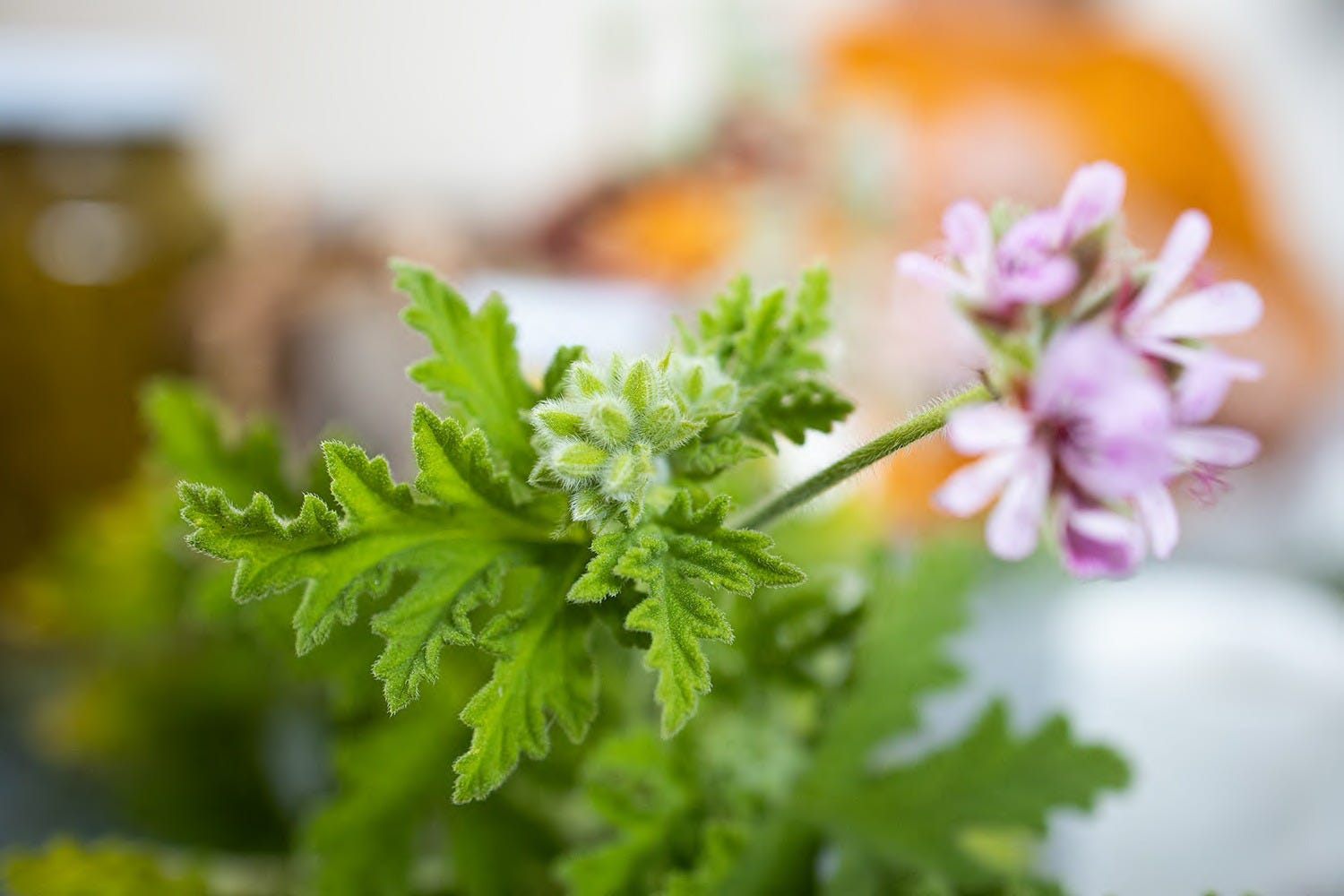
LR: Yes, absolutely. Whenever I work with wild foods, in addition to their common names, I try to bring in the binomial scientific names, so that everyone is talking about the same plant. Common names tend to vary from place to place. But that doesn’t diminish the value of common names; they tell you something about the relationship people or animals have with a plant.
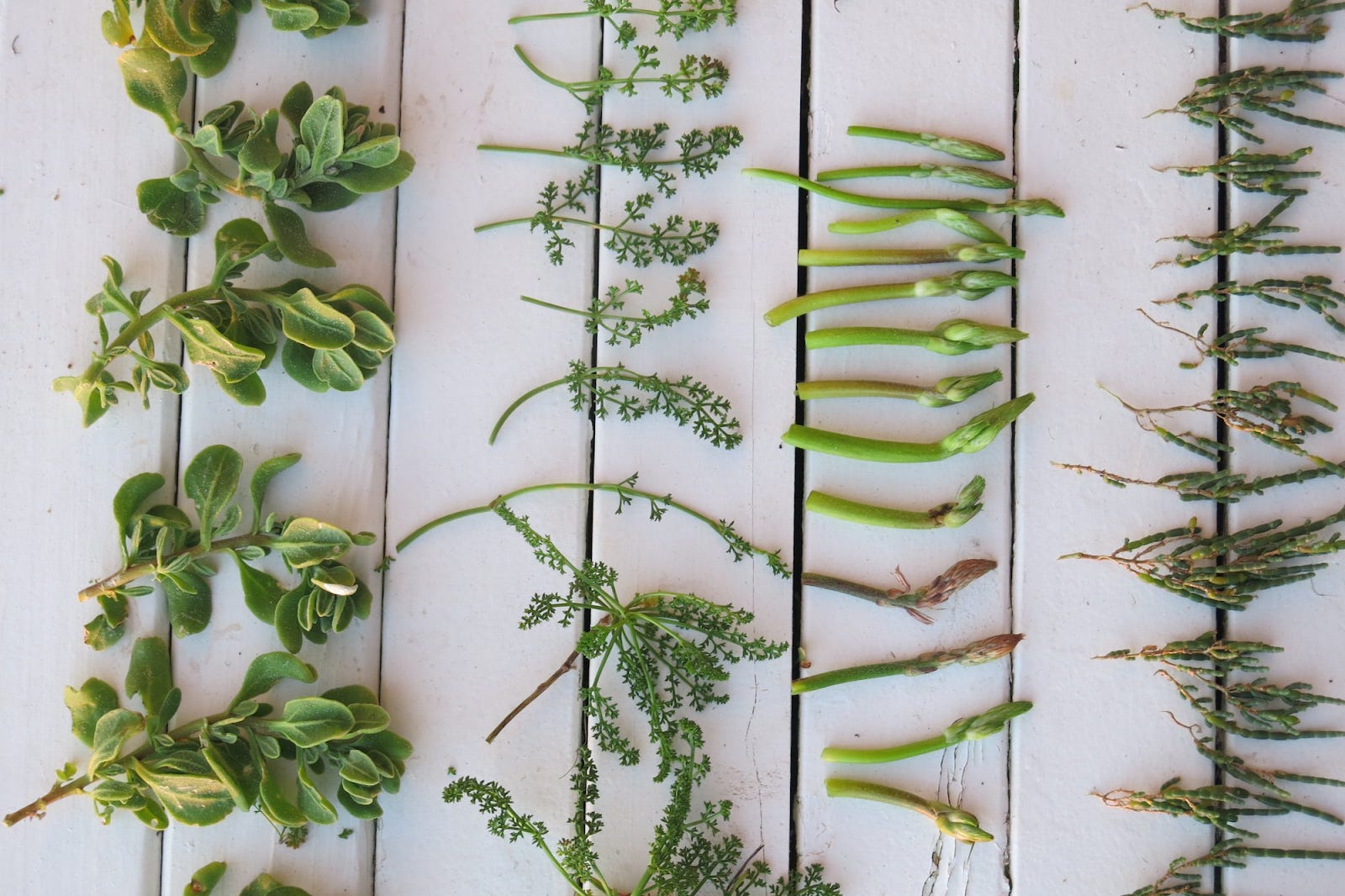
For example, brakslaai or soutslaai are two Afrikaans common names for ice plant. Dune spinach is duinespinasie, which grows on the dunes along virtually the entire coastline of South Africa. It’s significantly browsed by animals; in fact something with ‘slaai’ at the end means salad. So the common names often reflect the use they are put to or the animals that eat them: there’s ostrich salad (volstruisslaai), sheep salad (skaapslaai) and springbok salad (springbokslaai), indicating how widely ice plant is eaten.
For the most part, community people don’t know or use the botanical names, but refer to plants by their common names. And so positive identification is quite an important part of the work that one does, to make sure that you know precisely what plant is being referred to, as the same plant can have many common names that differ from place to place.
FF: Many of these plants are very specific to the land they grow in. Can you tell us about the soil conditions they thrive in and how their cultivation might differ from conventional growing practices?
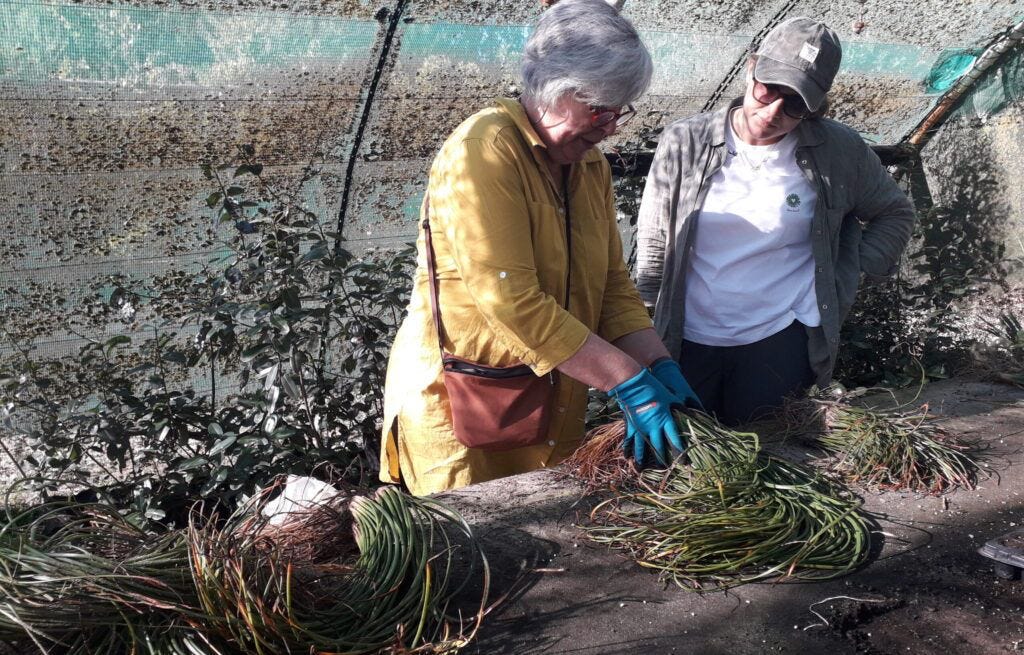
LR: Much of my learning happened along the Cape Peninsula coastline where many of the coastal edible plants grow on very alkaline, sandy, nutrient-poor soils. Unlike conventional food growing, where so much effort goes into improving soil, these foods simply grow on the sand that’s around and about them.
We’re busy with early research to see whether changing or adapting the soil or adding some irrigation might affect yields or nutritional values, but that hasn’t been fully explored yet.
Other areas I’ve worked in include the Cape Flats, with small scale urban farmers, a part of Cape Town that also has poor, leached, sandstone-derived sandy soil. Many of the Indigenous foods I’ve been exploring are well adapted to this kind of environment and some of them are actually growing wild on sandy pavements but are not recognised as food.
At the Sustainability Institute which is situated in a Renosterveld valley, the land is more arable than the coastal sands: it was suitable for planting wheat, orchards and vineyards. This land has been heavily altered by agriculture and urbanisation, so intact biodiversity is extremely scarce there. But even in the remaining pockets, there’s a lot of biodiversity left to learn from, which allows us to explore how to approach growing food regeneratively, in a way that differs from large-scale, globalised agriculture, which generally destroys biodiversity and produces heavily subsidised, low-quality food.
FF: Thinking about the plants and soils you’ve described, I’m curious about their historical and cultural context. How are these Indigenous and locally adaptive plants tied up with the histories of slavery, migration and colonialism in the Western Cape?
LR: The Western Cape, and South Africa more broadly, has a really complex social and cultural history. Many of the people who originally lived here, like the San and Khoi, were displaced, murdered or absorbed into other communities or master’s homes through the colonial era when land was taken and absorbed into fenced farms. Slaves were brought from the East, Madagascar and elsewhere in Africa to provide labour for this expansion, and they brought their own food traditions. Over time, incoming colonists and slaves either ignored what was local, or absorbed local knowledge, learning from the original inhabitants how to use plants for food and medicine.
With the Cape being on the spice route, ships would stop here to replenish. In time, land acquisition took place and people started to grow the kinds of foods that the sailors wanted to eat. That was the beginning of introducing foods that absolutely aren’t from here. The extensive landscape transformation we see now, due to non-local foods being cultivated at scale, started with meeting the needs of passing ships on the spice route, at a time when there was no cultivation history of local food plants.
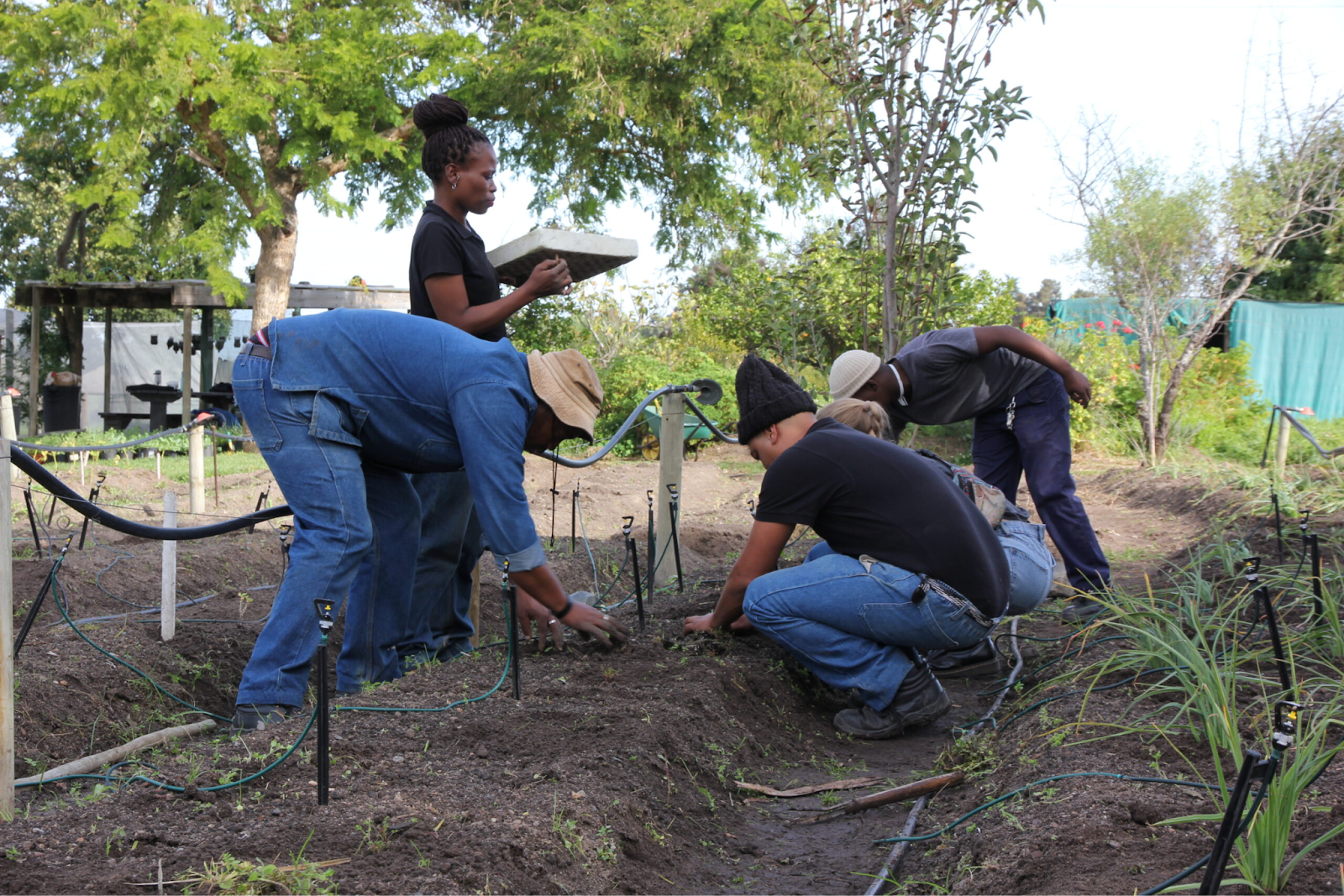
Today, there’s still knowledge held by rural farmers, particularly among elders, and about medicinal plants. Part of the work is unlocking that knowledge gently and respectfully by creating spaces where people feel safe to share what they know, free from shame or trauma. For example, workshops or walking in the bush can help people reconnect with plants and their histories. I also work with small scale growers through cultivation and cooking workshops to introduce local plants into their practices, or to re-ignite a valuation for what is local and natural to people’s surroundings.
FF: This connects closely to your work with Andrew Merritt on Slow Disasters, a multi-continental project that examines how long-term ecological and social damage shapes landscapes and communities. In the Lynedoch Valley, the South African activation traced layers of land use, displacement and Indigenous food knowledge. How did you approach grounding Merritt’s Slow Disasters methodology in such a specific ecological and social context?
LR: My interest was precisely in bringing the social context into the project, which Andy valued because he didn’t have access to that, not being a local person. I drew attention to how important slavery is to this conversation and the extent to which slavery, even though it’s not called that now, is actually still alive.
When we were planning how to introduce people to the Slow Disasters maps, which represented changes in the valley across four eras, we thought carefully about who to bring together, drawing from local community networks, nonprofit organizations, business and academic networks. The provocation we brought was very triggering for many, but people felt safe enough to voice things that had been silenced for generations, or that arose as a result of what was being presented. Being in a space in which everybody’s vulnerabilities were respected, sharing a trajectory that the landscape and its people have gone through, was incredibly powerful.
The biggest shift in the beginning is in perception. People might be intrigued by a notion, but converting that into regular practice, like eating an Indigenous ingredient on a regular basis, is a separate journey. That’s what I’m looking forward to exploring with Andy as we move on with the project: how to get people to engage deeply and meaningfully, in action. It requires patience and creating the conditions for lasting engagement amongst people who have little time and few resources.
It’s about grounding this work strongly enough so that it is rooted in community, and grows up from community, supported by organisations, government and researchers
FF: To return to this image of planting a seed, I want to ask finally: what is the one seed of thought you’re most hoping to plant now, something you’d most like to see take root and germinate?
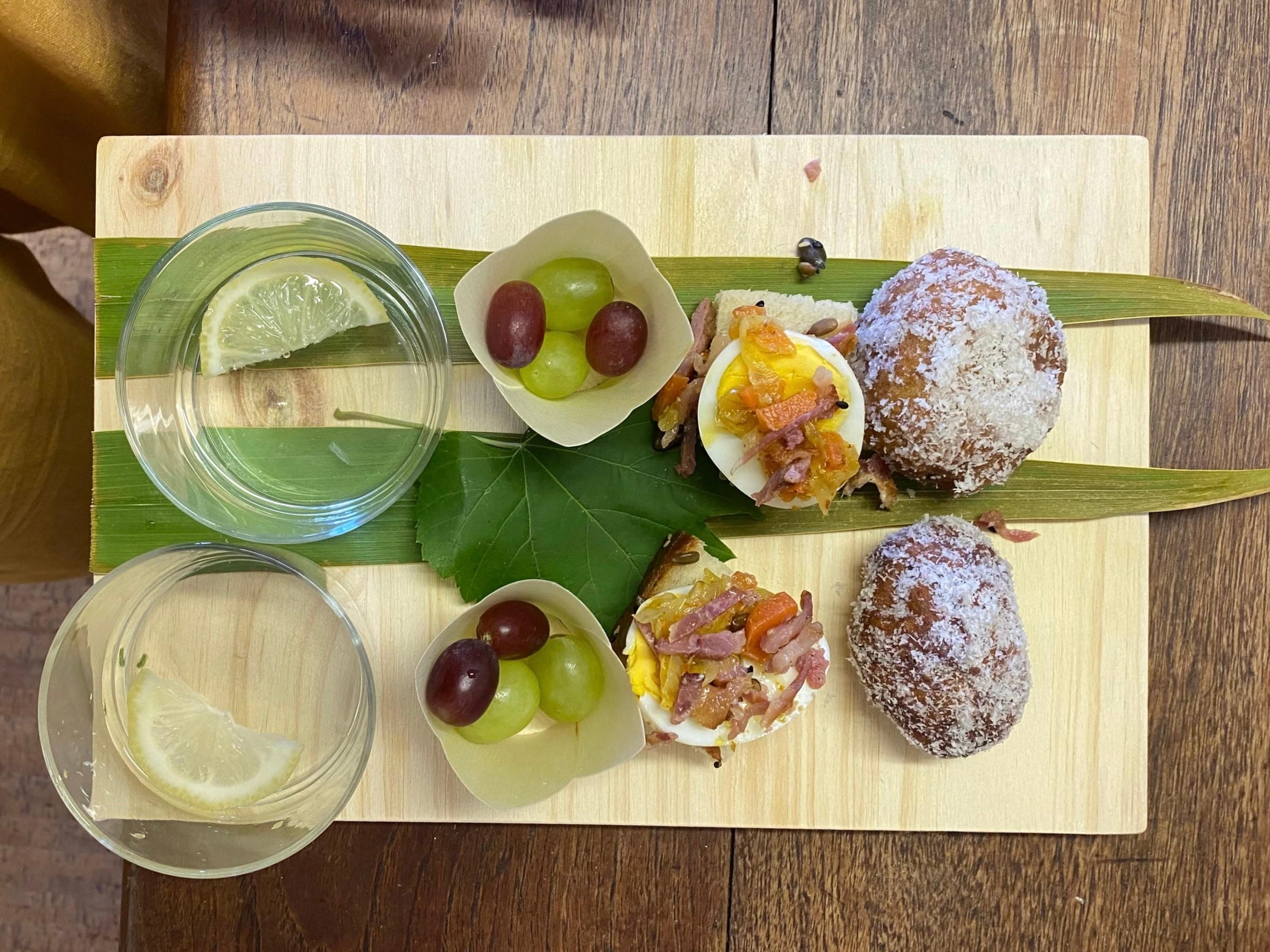
LR: One of the reasons why I’ve moved some of my work to the Sustainability Institute is because there’s an opportunity on their campus to develop various integrated approaches to working with Indigenous foods: from growing them in the food garden on the property, to the Green Café including them on the menu, to the Nourish programme serving meals that include them to the children attending the two Montessori schools on the property, and to the children spending time in the garden to discover and learn about them. These are children from the valley, receiving a good education that they normally wouldn’t have access to at their local government school.
We also host a great multistakeholder community of practice that is funded by the University of the Western Cape’s Centre of Excellence in Food Security, and we are fortunate to be supported by very experienced advisers who guide us with funding applications or with bringing a complexity of ideas and actions together. For many years, I worked in little siloed corners on aspects that I knew needed to be developed, in the hope that eventually they would come together into an integrated whole, strong enough to shift things and make change.
So my wish is that this will land and root strongly within the next 10 years. I’m certainly not going to be convincing everybody to grow and eat local Indigenous plants, but for me it’s about grounding this work strongly enough so that it is rooted in community, and grows up from community, supported by organisations, government and researchers, and so that the value placed on this extraordinary biodiversity can continue to expand beyond my lifetime.
Loubie Rusch is the author of two books, available through the Sustainability Institute: Cape Wild Foods: A Growers Guide and its sequel, A Cooks Guide, which introduce 22 Indigenous edible plants as practical entry points into a much larger and under-researched food ecology. Her work is grounded in observation of how these plants grow in situ and in exploring how they can be cultivated, harvested and cooked in ways that link to local food traditions, and are in sync with local ecologies so as to improve biodiversity in landscapes degraded by agriculture and development. You can learn more about Rusch’s practice at the Local WILD Food Hub and the Sustainability Institute in the Lynedoch Valley, and learn more about the Slow Disasters project here.
Read more about Mapping Recipes for “Slow Disasters” in the Lynedoch Valley.
Powerful interview on navigating the tension between commons-based indigenous knoweldge and extractive Western systems. The point about walking a tightrope between gatekeeping and re-appropriation feels central to alot of regenerative work happening globally. That bit about rooibos benefit-sharing barely reaching original communities shows how easily these frameworks get captured by existing power structures.